Irrigation & Water Management

Precision Irrigation: Revolutionizing Water Efficiency in Agriculture

Architectural Drafting

Precision Irrigation: Revolutionizing Water Efficiency in Agriculture

Water is an indispensable resource in agriculture, and its efficient management is critical for sustainable farming. Precision irrigation, a method that delivers the right amount of water to crops at the right time, not only conserves water but also enhances crop health and yields. This article explores the types of precision irrigation systems, their benefits, and strategies for effective implementation.


Types of Precision Irrigation Systems

Drip Irrigation

  • Delivers water directly to the root zone through a network of tubes and emitters, ensuring targeted hydration.
  •  Particularly suited for water-sensitive crops and regions with limited water resources.


Sprinkler Irrigation

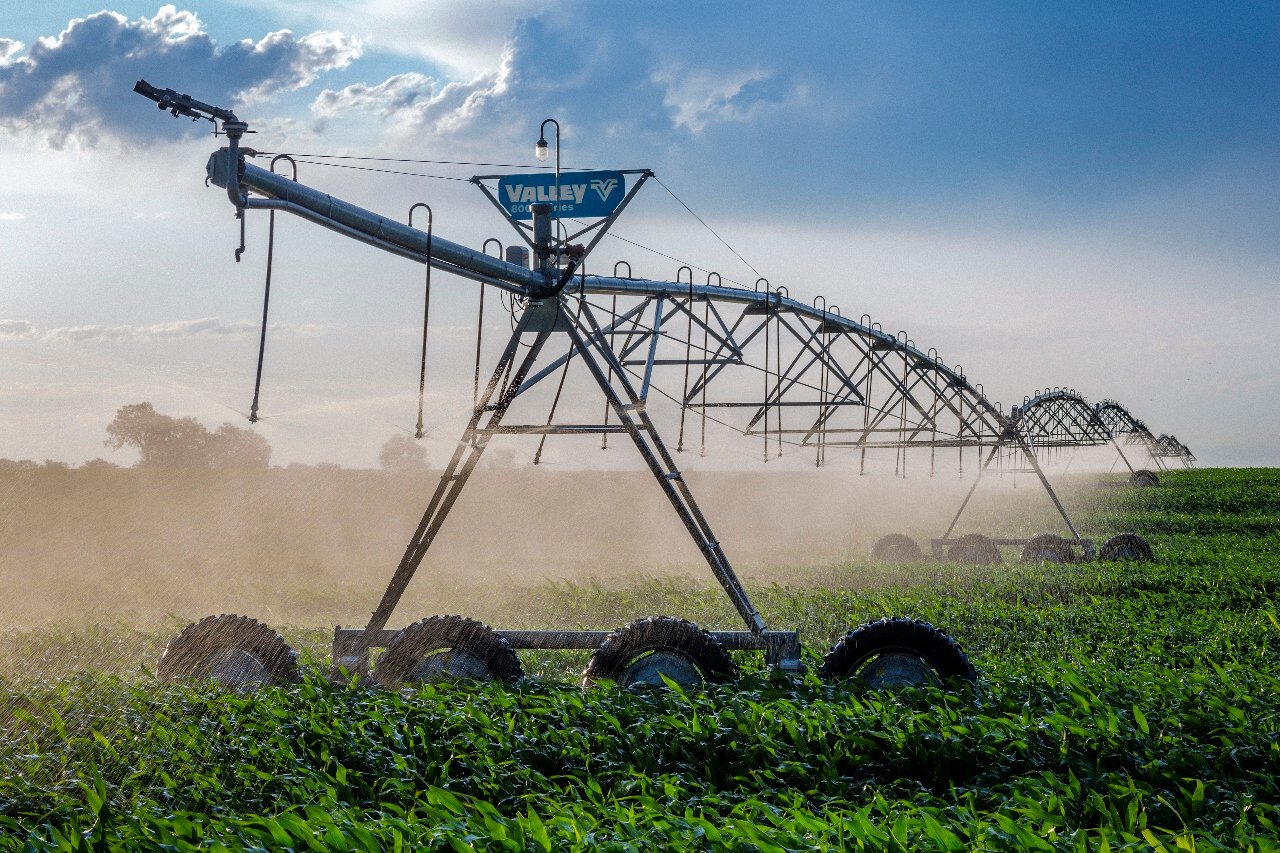
  • Uniformly distributes water across fields using rotating or fixed sprinklers.
  •  Ideal for crops with broader spacing or shallow root systems.


Subsurface Irrigation

  • Supplies water through buried pipes or tubing, minimizing evaporation losses.
  •  Encourages deeper root penetration for improved plant resilience.


Automated Systems

  • Leverages technology such as soil moisture sensors, timers, and weather data to optimize irrigation schedules.
  •  Best suited for large-scale operations and high-value crops.


Key Benefits of Precision Irrigation

Water Conservation: Targets the root zone, significantly reducing water wastage.

Enhanced Crop Health: Prevents under- or overwatering, creating optimal conditions for growth.

Cost Efficiency: Cuts water and energy costs by eliminating inefficiencies.

Soil Preservation: Reduces erosion and nutrient leaching caused by excessive water application.


Strategies for Implementing Precision Irrigation

  • Assess Farm Requirements: Evaluate crop types, soil characteristics, and water availability to determine the most suitable system.
  • Select the Right System: Tailor the irrigation method to your farm’s layout and the specific needs of your crops.
  • Monitor and Maintain: Regularly inspect equipment for leaks, blockages, or wear and adjust system settings as needed.
  • Educate Stakeholders: Train farmworkers on the operation, maintenance, and benefits of precision irrigation systems to ensure long-term success.


Technological Innovations Driving Precision Irrigation

Modern precision irrigation has been transformed by advancements in agricultural technology, including:

  • Soil Moisture Sensors: Measure real-time soil moisture levels, enabling irrigation only when necessary, and preventing water misuse.
  • Weather-Based Controllers: Adjust irrigation schedules based on rainfall, temperature, and humidity data, reducing water use during favorable conditions.
  • Drones and GIS Mapping: Provide thermal imaging and detailed field data to pinpoint areas needing irrigation, saving time and ensuring efficient water distribution. 


Sustainability Through Precision Irrigation

Precision irrigation not only boosts productivity but also promotes environmental sustainability by:

  • Preserving Groundwater Resources: Prevents over-extraction and supports the long-term stability of aquifers.
  • Reducing Energy Consumption: Methods like drip and subsurface irrigation consume less energy compared to traditional flood irrigation, lowering costs and carbon footprints.


Case Study: 

Drip Irrigation for Tomatoes in Sub-Saharan Africa

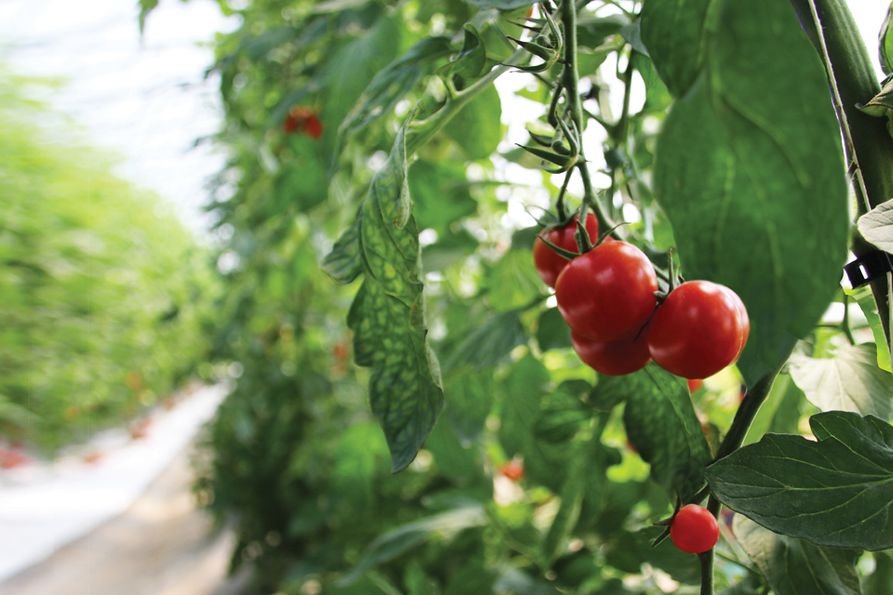
In water-scarce regions such as Sub-Saharan Africa, drip irrigation has become a game-changer for high-value crops like tomatoes. Farmers have achieved up to a 60% reduction in water usage while increasing yields by 30%. By delivering water directly to the root zone, this method minimizes evaporation losses, especially in arid climates, enabling sustainable farming practices.


Conclusion

Precision irrigation represents a paradigm shift in modern agriculture, offering an innovative solution to the challenges of water management. By adopting this sustainable approach, farmers can enhance yields, conserve water, and ensure long-term agricultural viability in a resource-constrained world.


Featured stories

Featured stories
Challenges of Wind in African Agriculture
Climate & Agricultural Protection

Challenges of Wind in African Agriculture

06 Mar 2025
Elements for Plant Nutrition in African Farming
Agriculture & Soil Management

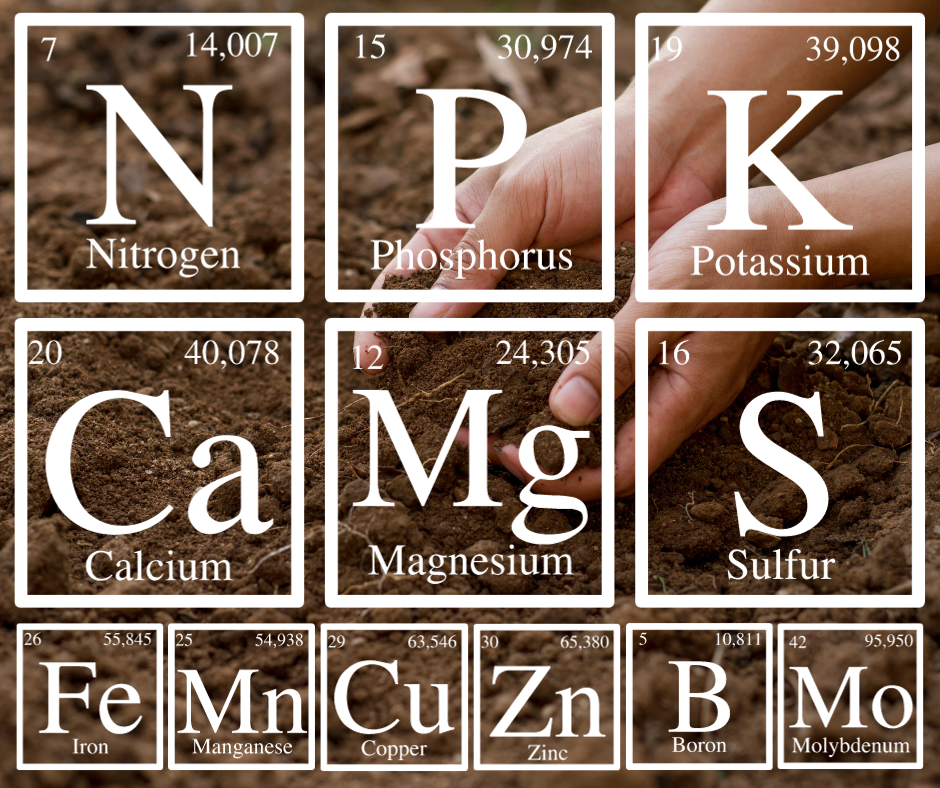
Elements for Plant Nutrition in African Farming

06 Mar 2025
The Role of Trellis Twine and Clips in Vertical Farming
Vertical Farming & Crop Support

The Role of Trellis Twine and Clips in Vertical Farming

06 Mar 2025