
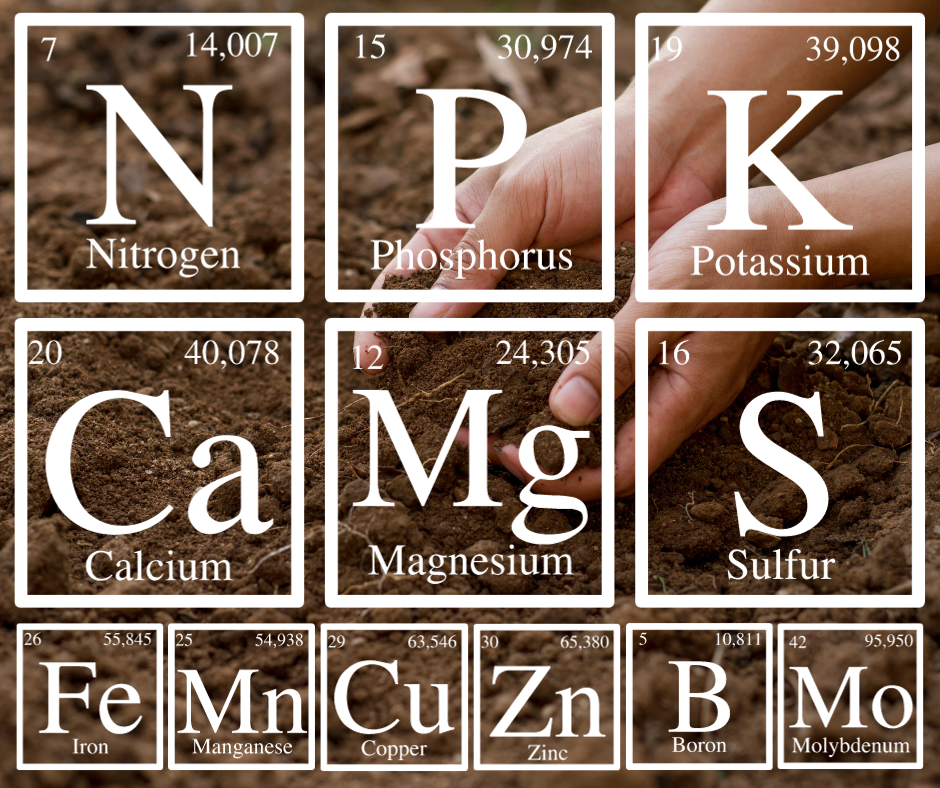
A healthy, fertile soil is the cornerstone of successful farming in Africa, where diverse soils support a wide range of crops such as maize, millet, cassava, yams, plantains, and vegetables. Sustainable farming practices focus on feeding the soil rather than just the crops. Methods like crop rotation, green manures, composting, and organic fertilization help nourish the soil, ensuring it provides essential nutrients for optimal plant growth. In Africa's farming context, balancing these nutrients is vital to achieving food security and enhancing crop yields.
Microbial activity within the soil plays a pivotal role, gradually releasing nutrients and ensuring plants receive a steady and balanced supply. Understanding the importance of these nutrients and how to maintain them in the soil is crucial for sustainable agriculture.
On any fertilizer package, you'll notice the term NPK, which stands for Nitrogen (N), Phosphorus (P), and Potassium (K). These are the primary nutrients plants require for growth and productivity. In addition to these, other macro-nutrients such as Calcium (Ca), Magnesium (Mg), and Sulphur (S) are equally important. Trace elements like Zinc (Zn), Iron (Fe), and Copper (Cu), though needed in smaller quantities, are essential for healthy plant development.
Below, we delve into these 12 key elements and their importance in crop farming across Africa. These elements help address soil fertility challenges like nutrient depletion, a significant issue in many parts of the continent due to continuous farming without replenishment.
Nitrogen (N)
Nitrogen is essential for plant growth, as it forms the building blocks of proteins, amino acids, and chlorophyll. Crops like maize, millet, and sorghum thrive with sufficient nitrogen, which promotes vigorous growth and improves yields. Deficiency often manifests as yellowing of leaves, stunted growth, and restricted root development.
In African soils, nitrogen is often low due to continuous cropping and limited use of organic fertilizers. To address this, farmers can integrate nitrogen-fixing legumes like cowpeas, soybeans, and groundnuts into crop rotations. These legumes form symbiotic relationships with bacteria in their roots, which convert atmospheric nitrogen into a plant-usable form.
Sources: Compost, manure, legume cover crops, and natural fertilizers like blood meal and alfalfa meal.
Phosphorus (P)
Phosphorus is crucial for root development, energy transfer, and the production of flowers and fruits. Crops like cassava and yams benefit greatly from adequate phosphorus levels. Deficiency symptoms include stunted growth, delayed flowering, and purplish leaves.
Phosphorus availability in African soils is often limited by poor soil pH or insufficient organic matter. Regular soil tests and the use of phosphorus-rich amendments like bone meal or rock phosphate can help maintain balance.
Sources: Bone meal, composted manure, and rock phosphate.
Potassium (K)
Potassium improves drought tolerance, strengthens plant cells, and enhances crop resistance to diseases. Crops like plantains, bananas, and tomatoes rely on potassium for optimal growth and fruit quality. Potassium deficiency can lead to poor fruit development and reduced resistance to stress.
In Africa, continuous harvests without replenishment often deplete soil potassium. To address this, farmers can use organic materials such as wood ash or integrate potassium-rich manures.
Sources: Farmyard manure, wood ash, and natural potassium fertilizers like Kalisop.
Calcium (Ca)
Calcium strengthens cell walls, reduces the risk of diseases, and enhances soil structure. For crops like tomatoes, peppers, and cabbage, calcium is vital to prevent issues like blossom end rot.
Sources: Lime, gypsum, and poultry manure.
Magnesium (Mg)
Magnesium is a key component of chlorophyll, essential for photosynthesis. Crops like maize and leafy greens require magnesium to produce energy. Deficiency causes yellowing between veins on older leaves.
Sources: Epsom salts, dolomite lime, and compost.
Sulphur (S)
Sulphur is crucial for amino acid and protein synthesis, improving crop quality and resilience. It also enhances nitrogen efficiency, particularly in leguminous crops.
Sources: Gypsum, elemental sulphur, and compost.
Iron (Fe)
Iron aids in chlorophyll formation and photosynthesis. Deficiency results in yellowing leaves and poor crop vigor. Iron-rich soils or supplements are particularly important for crops like maize and beans.
Sources: Compost, plant residues, and fish blood.
Zinc (Zn)
Zinc supports enzyme activation and hormone regulation, particularly during early growth stages. Crops like maize and millet often require zinc for optimal yield. Deficiency results in stunted growth and poor seed production.
Sources: Manure, seaweed, and zinc-enriched fertilizers.
Copper (Cu)
Copper is crucial for lignin formation in plant cell walls, improving structural integrity. Crops deficient in copper may exhibit wilting and poor root development.
Sources: Chicken manure, seaweed, and compost.
Boron (B)
Boron is essential for cell division and flower development. Root crops like carrots and cassava can develop hollow cores if boron is insufficient.
Sources: Organic manure, seaweed, and boron fertilizers.
Molybdenum (Mo)
Molybdenum supports nitrogen fixation and metabolism, making it essential for legumes like groundnuts and cowpeas. Its deficiency can hinder nitrogen use efficiency.
Sources: Compost, lime, and molybdenum-enriched fertilizers.
In Africa, sustainable farming hinges on understanding and managing soil fertility. Conducting regular soil tests and using organic fertilizers, composts, and green manures can address nutrient deficiencies and maintain a healthy balance. By prioritizing soil health, African farmers can increase crop productivity, support food security, and preserve the environment for future generations.
Balanced nutrition not only enhances yields but also ensures resilience against pests, diseases, and environmental stressors, paving the way for sustainable agricultural practices across the continent.
Challenges of Wind in African Agriculture
06 Mar 2025
Elements for Plant Nutrition in African Farming
06 Mar 2025
Optimizing Greenhouse Ventilation: Balancing Temperature and Humidity for Maximum Yield
06 Mar 2025
The Role of Trellis Twine and Clips in Vertical Farming
06 Mar 2025